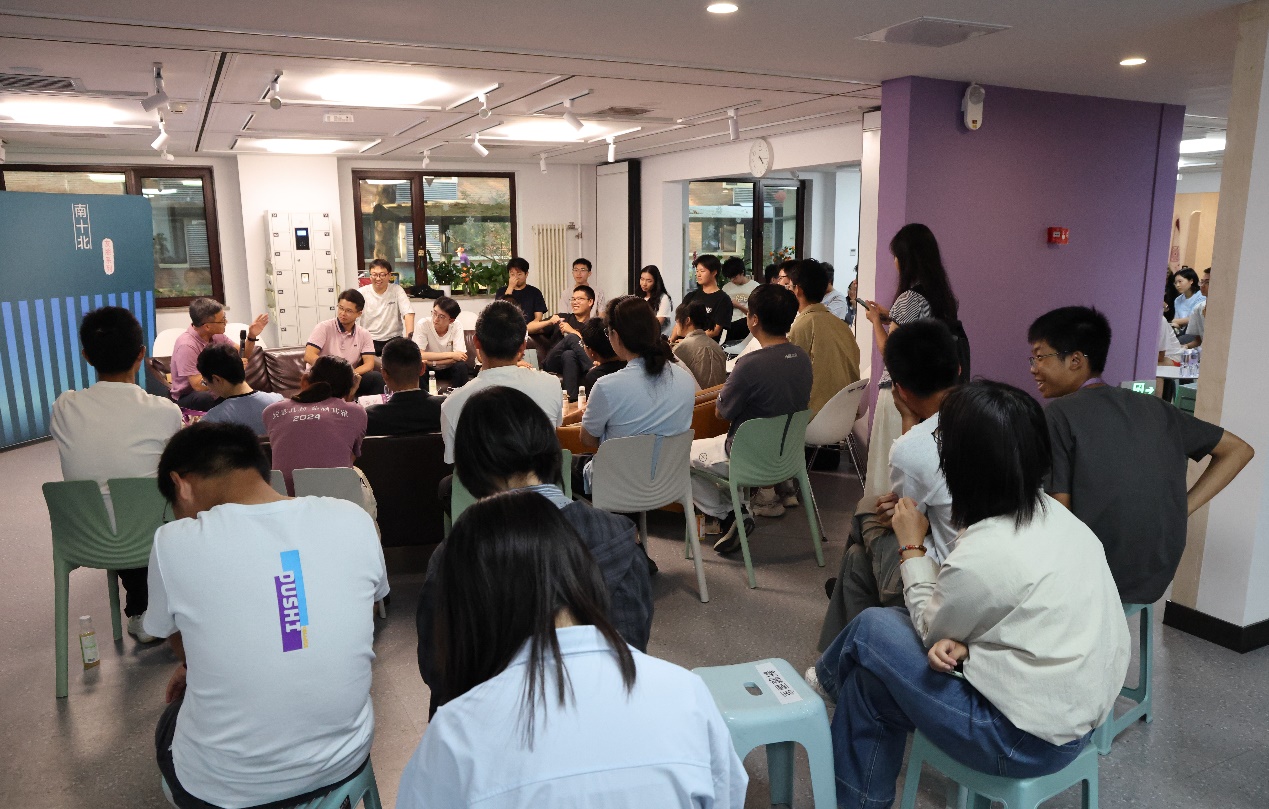
After the summer break, Xinya College held a session on vacation experience sharing for its Collective Talks as scheduled. On the afternoon of September 17, a gathering was convened by Professor Mei Ciqi, Dean of Xinya College, for over 60 students, including newly enrolled ones, to share their vacation experiences and reflections. The event was also attended by Ms. Li Ying, Party Committee Secretary of the Department of Psychological and Cognitive Sciences, Dr. Shao Yue, Deputy Dean of Xinya College, and Dr. Jiao Yang, Assistant to the Dean of Xinya College.
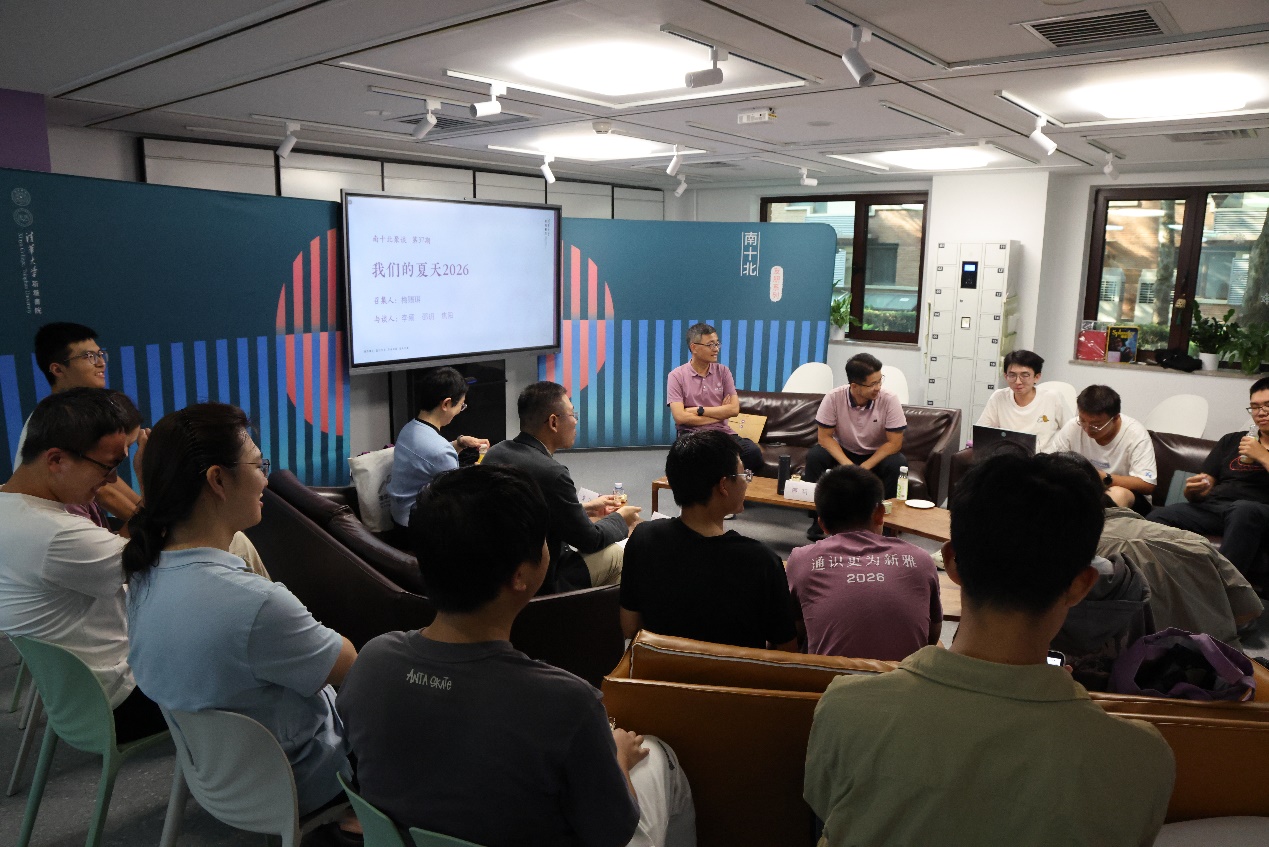
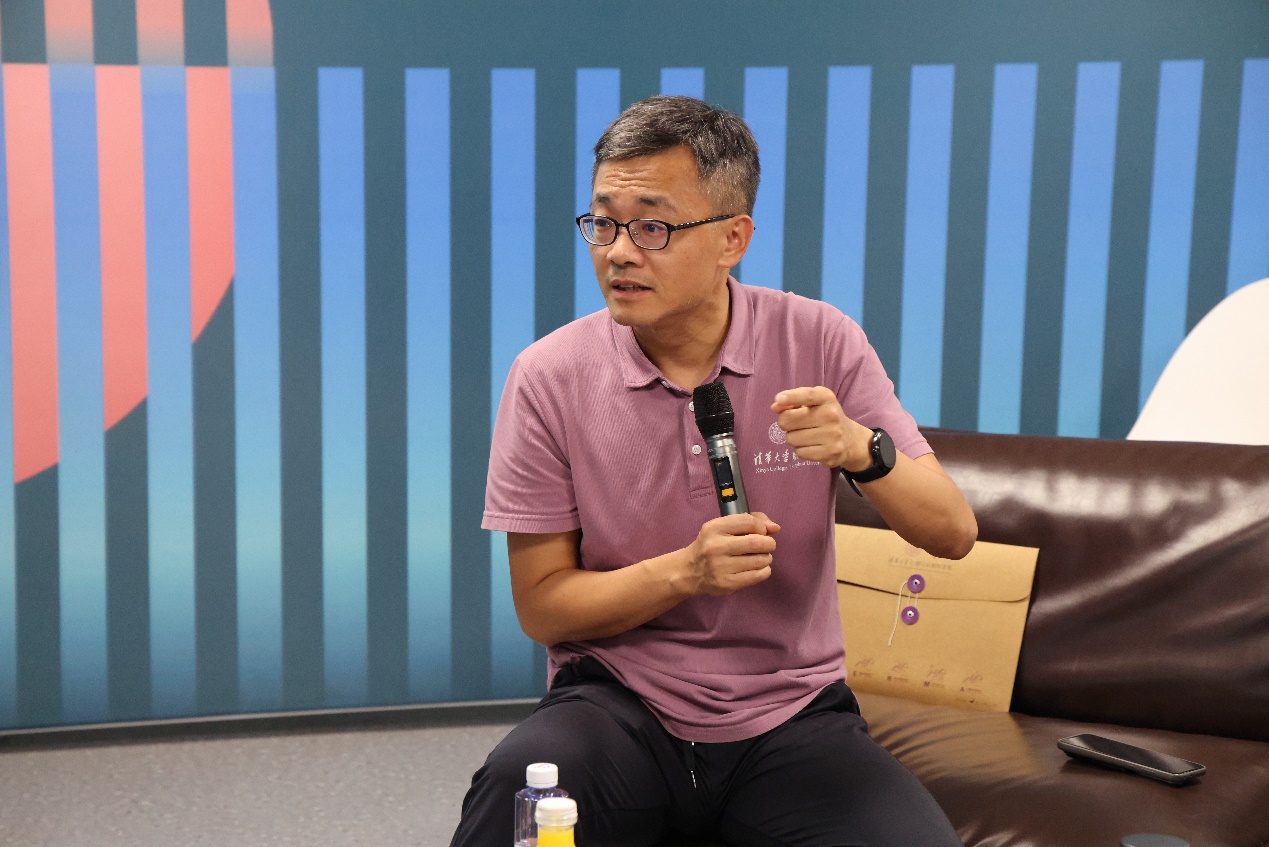
Professor Mei opened the session by noting that sharing what one has experienced in the summer vacation is not merely a replay of the past, but a creative process of reshaping it. Only by reshaping those memories can one truly articulate the exact meaning of such experiences. Xinya College has organized the Collective Talks on vacation experience sharing for two consecutive years, hoping that students can truly internalize the insights by reflecting on their experiences and turn them into nourishment for personal growth.
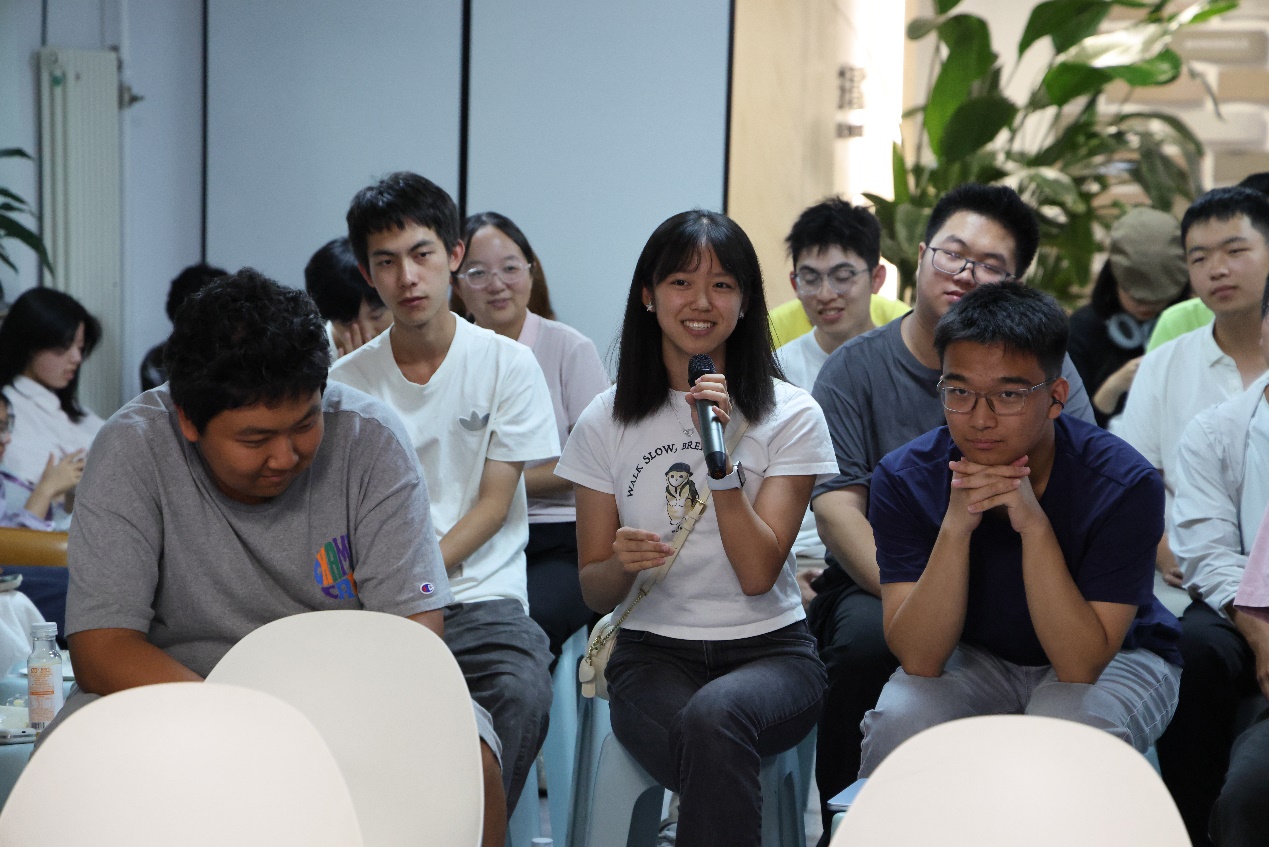
Two students, Chen Feiyu and Zhao Zihan, participated in an ideological and political practice program at Master Kong Group in Shanghai. The program was organized by Xinya College and themed around Corporate Reform and Innovation. Chen was amazed by Master Kong Group's extensive business footprint and gained insight into retail business logic through the shelf pricing of its Ice Tea (iced black tea). Meanwhile, Zhao shared his observations on how different settings influence product prices and sales volumes, and mentioned potential applications of self-service noodle-cooking machines in places like schools and office buildings.
Three students—Lin Yanran, Shu Wang, and Qu Yile—each participated in one of the three summer exchange programs co-organized by Xinya College with New Asia College of The Chinese University of Hong Kong (CUHK), Lingnan University, and the Singapore University of Technology and Design (SUTD), respectively. Visits to the SF Express Beijing Branch and the CUHK Science Park prompted Lin to reflect on the relationships between "assistance vs. replacement" and "humanization vs. scalability" in technology applications. By exploring ethnic minority communities, outlying islands, and traditional artisan workshops in Hong Kong, Shu discovered a facet of the city that goes beyond popular perceptions. Through cultural and creative design work, Shu realized that what is truly irreplaceable in the AI era is one's own judgment, emotions, and taste. During Qu's work on an autonomous vehicle project at SUTD, she navigated the challenging process of cross-disciplinary teamwork and AI-assisted programming. This experience similarly led her to realize that human taste in determining "what is good" is truly irreplaceable. Additionally, she was deeply impressed by the strong sense of ownership SUTD students demonstrated toward their campus.
Zhou Jiahui, a student from the Department of Hydraulic Engineering, joined Xinya College's team for rural revitalization field practice in Xiaochang County, Hubei Province. In Gaogang Village, he stepped into the fields to plant rice seedlings for the first time and participated in the area's first live-streaming event to support local farmers. Through household surveys and industry observations, he witnessed real challenges facing rural areas, such as rural hollowing and the outflow of youth, and realized that rural revitalization requires more diverse pathways.
Weng Zihan organized a summer social research activity in Longshan Subdistrict, Huairou District. Through her exchanges with the Party secretary and staff members of the community, she realized that only through in-depth research can one truly understand the specific situation. Issues concerning the digitalization of community governance identified during the practice also prompted her and her teammates to apply for the establishment of the One Thing Plan, which turns their findings into a practical initiative for continuous follow-up.
He Yuxi participated in Xinya College's social practice program in Jiangxi Province. Visiting Mount Longhu, Donglin Temple, and the former residence of Zhu Xi (an ancient Chinese philosopher) enabled him to experience Jiangxi's unique tradition of blending Confucian, Taoist, and Buddhist cultures, giving him a deeper and more personal understanding of traditional culture. For him, the summer break was busy, but it was precisely amidst this busyness that he might, in a fleeting moment, discover what he truly desired.
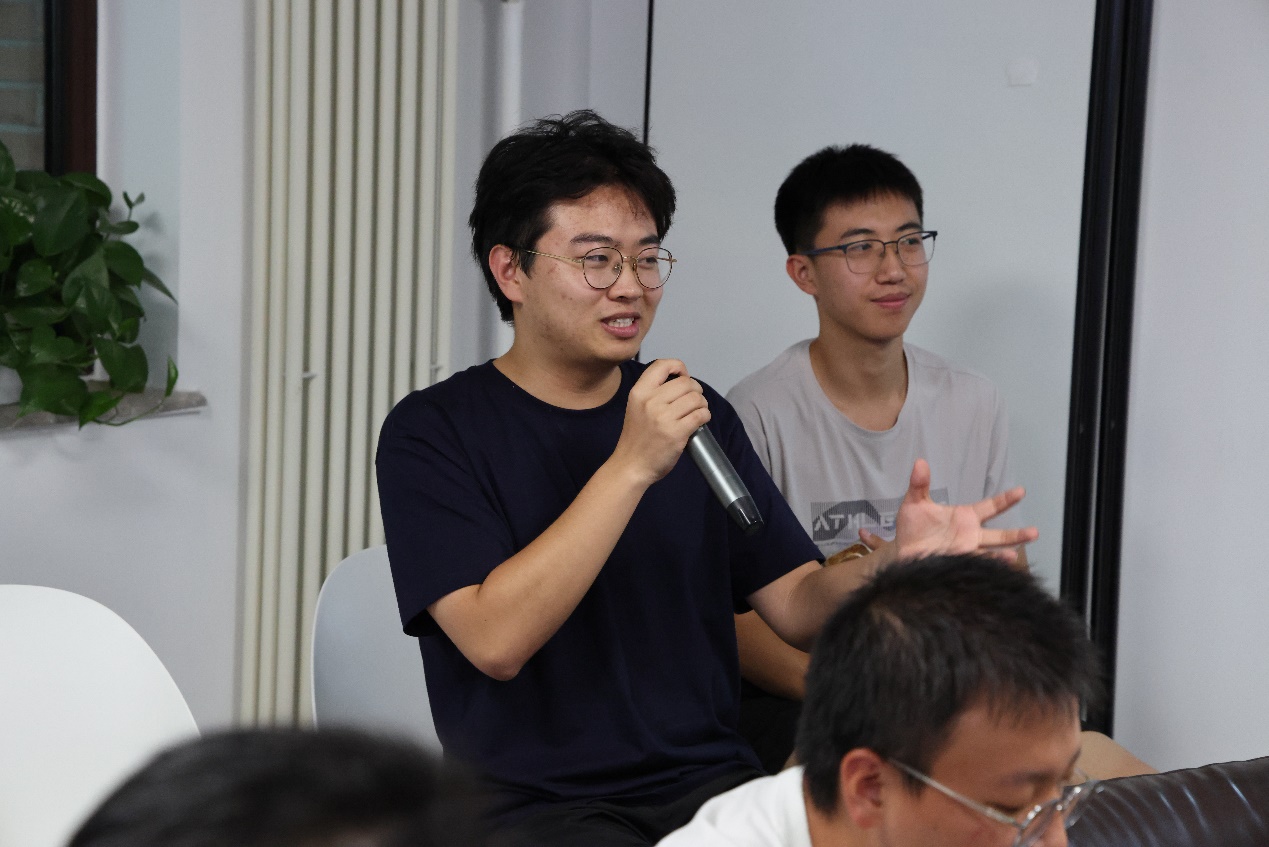
Moreover, Xu Ke's bumpy part-time job experience, Wang Xuchen's firsthand taste of the hardships on a construction site, Tang Kanghang's observations on the homogenization and "internet-famous" trend of tourist attractions, and Gao Yuan's exhaustion from juggling multiple practice projects all resonated strongly with the students in attendance. In response, Ms. Li Ying noted that social practice is an effective way to comprehend the complexity of society. She encouraged the students to engage more with social realities and, through practical experience, gradually learn to strike a balance between staying open-minded and protecting themselves. Professor Mei encouraged everyone to focus deeply on one endeavor at a time, minimizing the energy drain caused by juggling and switching between different tasks. He also pointed out that the world is vast, so there is no need to obsess over current "guides" and "trends"; instead, everyone can continually cultivate their own tastes through learning and practice to live out their own unique stories.
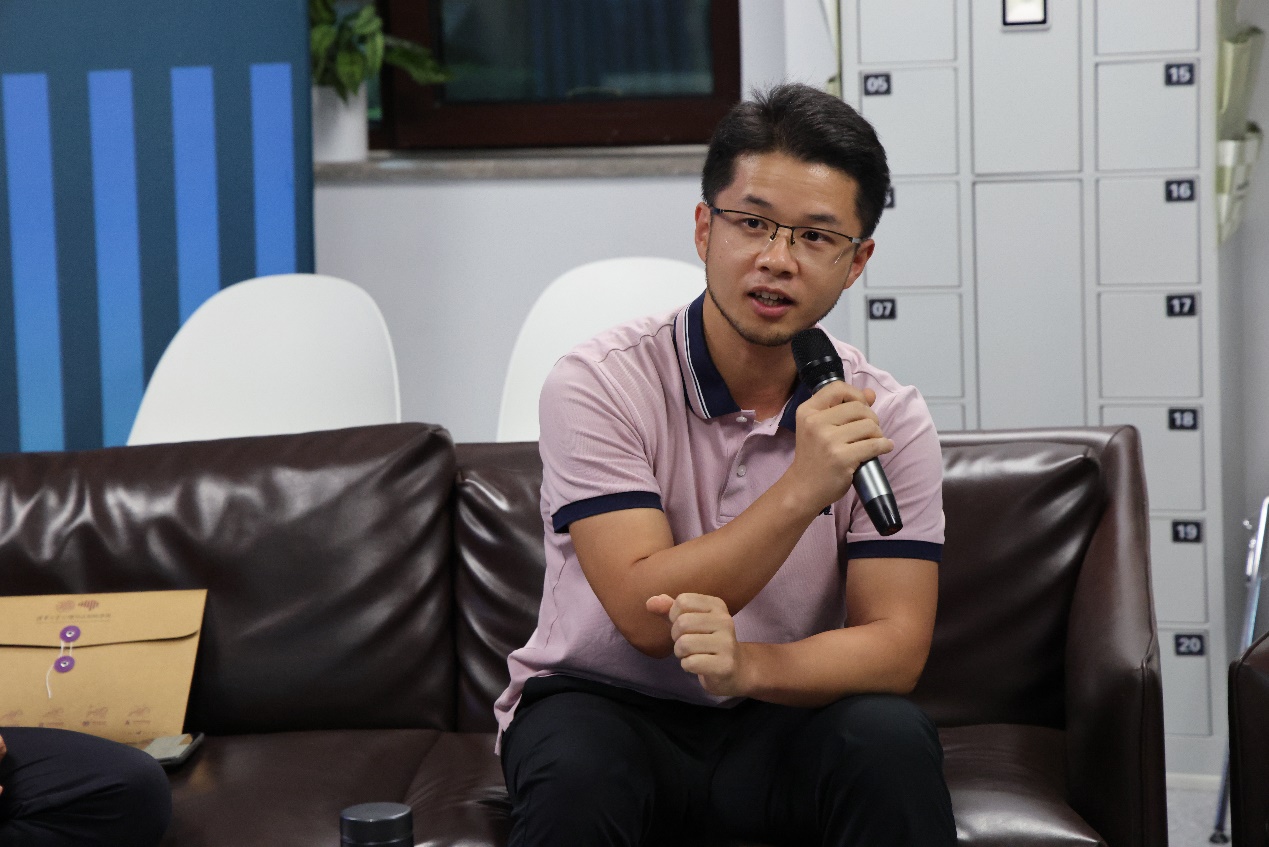
In concluding the event, Dr. Shao shared insights drawn from his experience leading a team for rural revitalization field practice in Xiaochang. He summarized his reflections with the word "unexpected". In his view, there are many "unexpected" things we can accomplish under the framework of rural revitalization. The ultimate goal is not to restore the past scenes but to forge a new vision for the countryside. He encouraged the students to discover creative opportunities within the "unexpected" through careful observation and bold imagination, urging them to envision and help shape this pastoral future.




 Your current location:

