From June 29 to July 10, Xinya College of Tsinghua University and New Asia College of the Chinese University of Hong Kong (CUHK) successfully co-hosted the 2nd Summer Exchange Programme. Themed "Envisioning Future Campus Transportation Systems," the Summer Exchange Programme was co-guided by Dr. Pei Xin from the Department of Automation at Tsinghua University and Professor Ren Wei from the Department of Mechanical and Automation Engineering at CUHK. Eight students each from Xinya College and New Asia College joined the program.
During the activity, students attended academic lectures, engaged in group discussions, visited enterprises, and enjoyed cultural experiences in Beijing and Hong Kong. Drawing on their diverse disciplinary backgrounds, they delved into the future development needs and potential models of campus transportation to explore safer, greener, smarter, and more efficient solutions. Through a blend of academic exchange and cultural integration, students from both colleges broadened their disciplinary horizons and deepened their mutual understanding and friendship.
Learning: Lectures and Discussions
Centered on the theme "Envisioning Future Campus Transportation Systems," the Summer Exchange Programme featured a series of academic lectures.
In Beijing, a lecture on cutting-edge developments in low-altitude transportation, delivered by Dr. Wang Kai from the School of Vehicle and Mobility at Tsinghua University, helped students understand the current landscape and core technological bottlenecks in the field. Renowned transportation photographer Luo Chunxiao provided an interdisciplinary lecture that seamlessly integrated the history, technical features, and visual documentation of rail transit. Using key milestones in global railway history as a framework, Mr. Luo elucidated the origins and defining technological features of various rail systems, including subway, light rail, commuter rail, and maglev. Hu Shuang, an expert in AI video creation, explained how AI-generated videos can empower future transportation design. He outlined the core capabilities of mainstream AI image and video generation tools and demonstrated the complete workflow from text prompts to final video generation.
In Hong Kong, Dr. Wang Maonan from CUHK delivered a specialized lecture titled "A Multi-modal LLM-Augmented Deep Reinforcement Learning Framework for Adaptive Traffic Signal Control." Focusing on core technical challenges of intelligent transportation, he shared a novel traffic signal control framework based on multimodal large language models and deep reinforcement learning. Mr. C. F. Leung, Operations Director of the Business Environment Council (BEC) in Hong Kong, delivered a presentation on the city's progress toward carbon neutrality. He provided a comprehensive overview of Hong Kong's strategy for advancing a city-wide low-carbon transition across multiple dimensions, including energy structure optimization, green industry development, and urban carbon reduction governance.
Observation: Field Trips
A wide variety of field trips and practical activities were organized under the program.
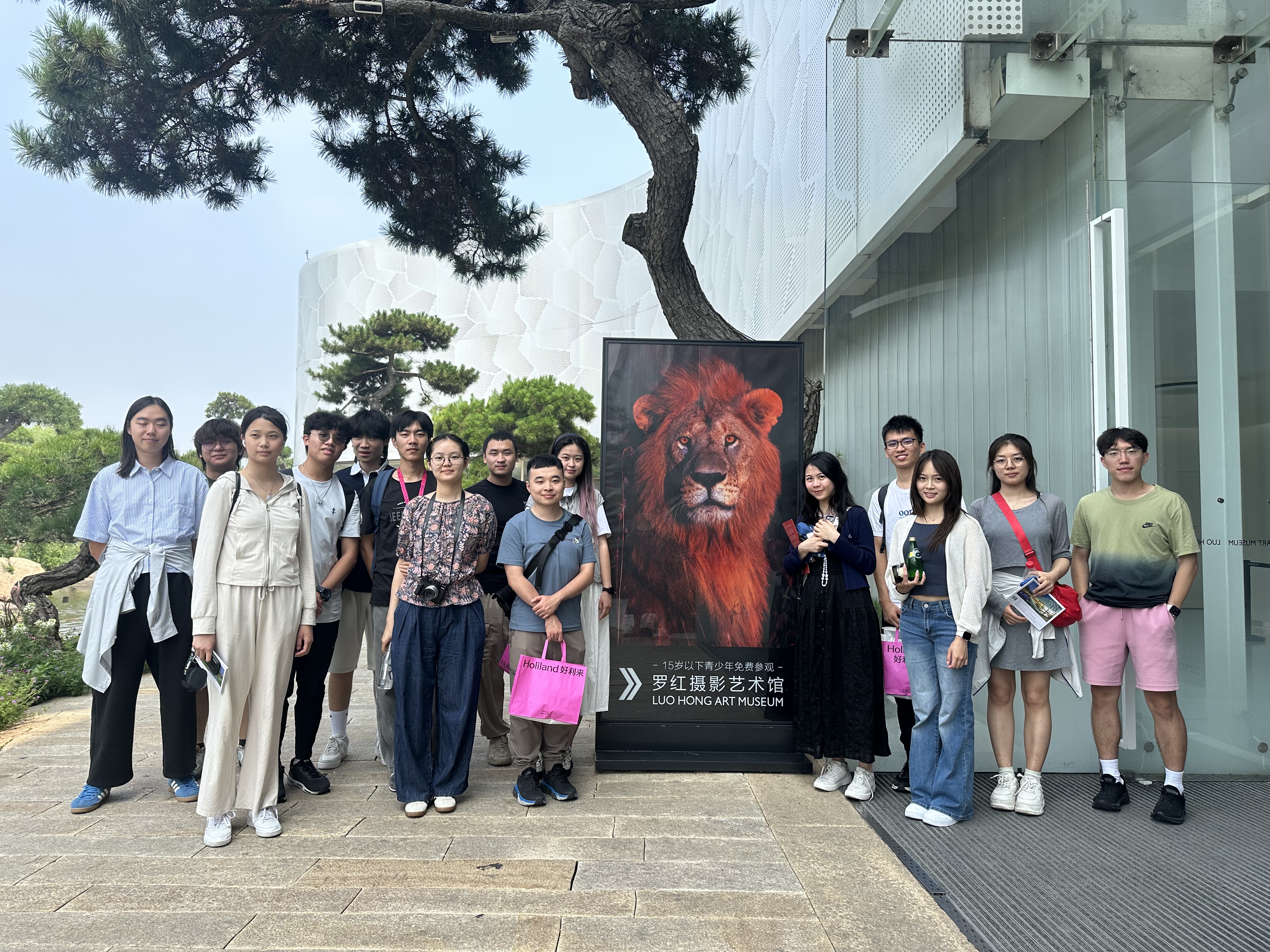
At the Highway Proving Ground of the Research Institute of Highway under the Ministry of Transport, students observed pavement performance testing and cutting-edge intelligent transportation infrastructure up close, gaining an intuitive understanding of how transportation systems are engineered in practice. Strolling through the Song Art Museum and the Luo Hong Art Museum, where natural beauty and contemporary art seamlessly blend, they enjoyed a space for aesthetic enrichment amid their intensive academic discussions. At the Beijing headquarters of SF Express, the big data platform for smart logistics and the highly efficient automated sorting system gave students a firsthand look at the surging dynamism of tech-driven industrial practices.
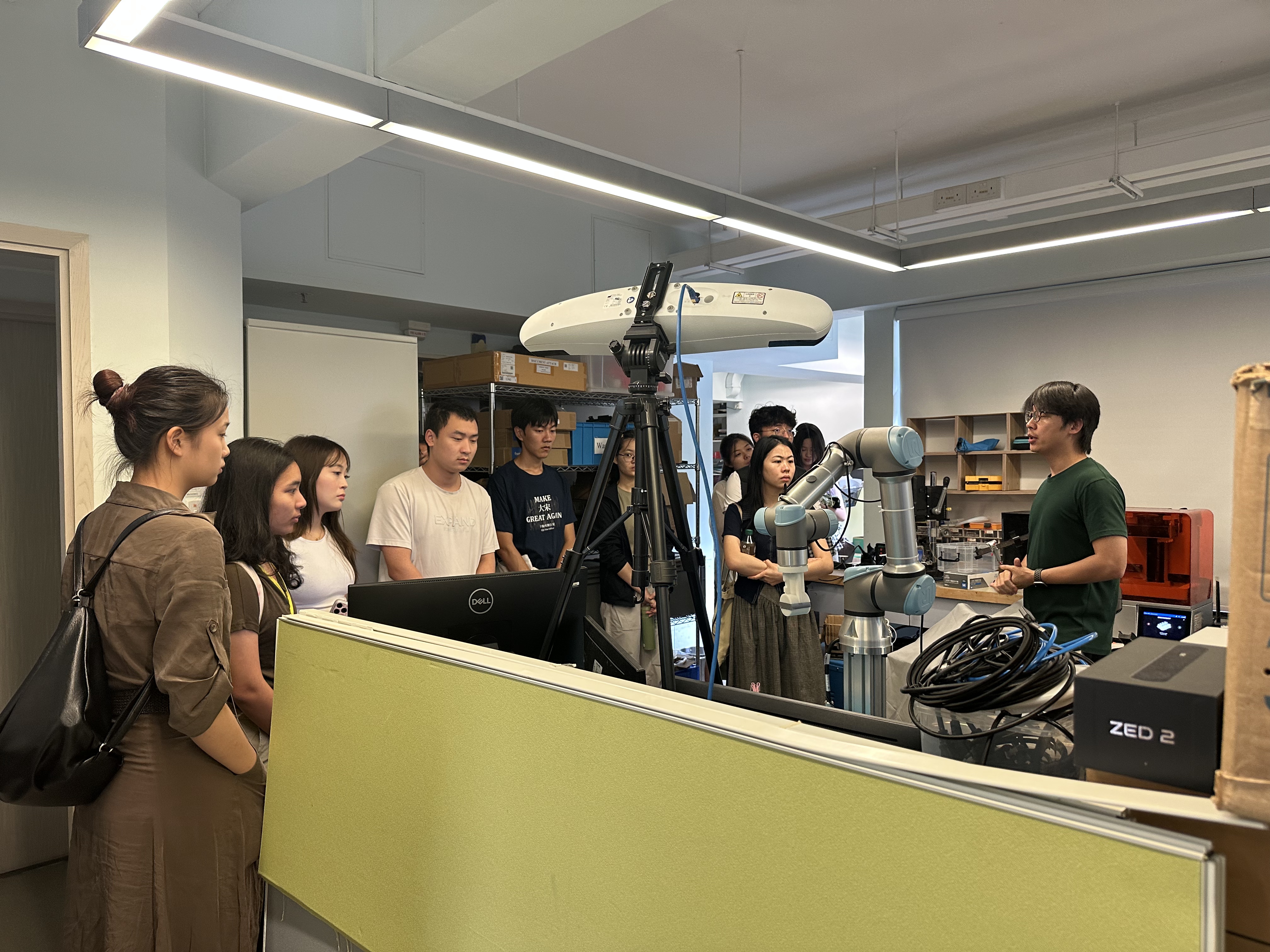
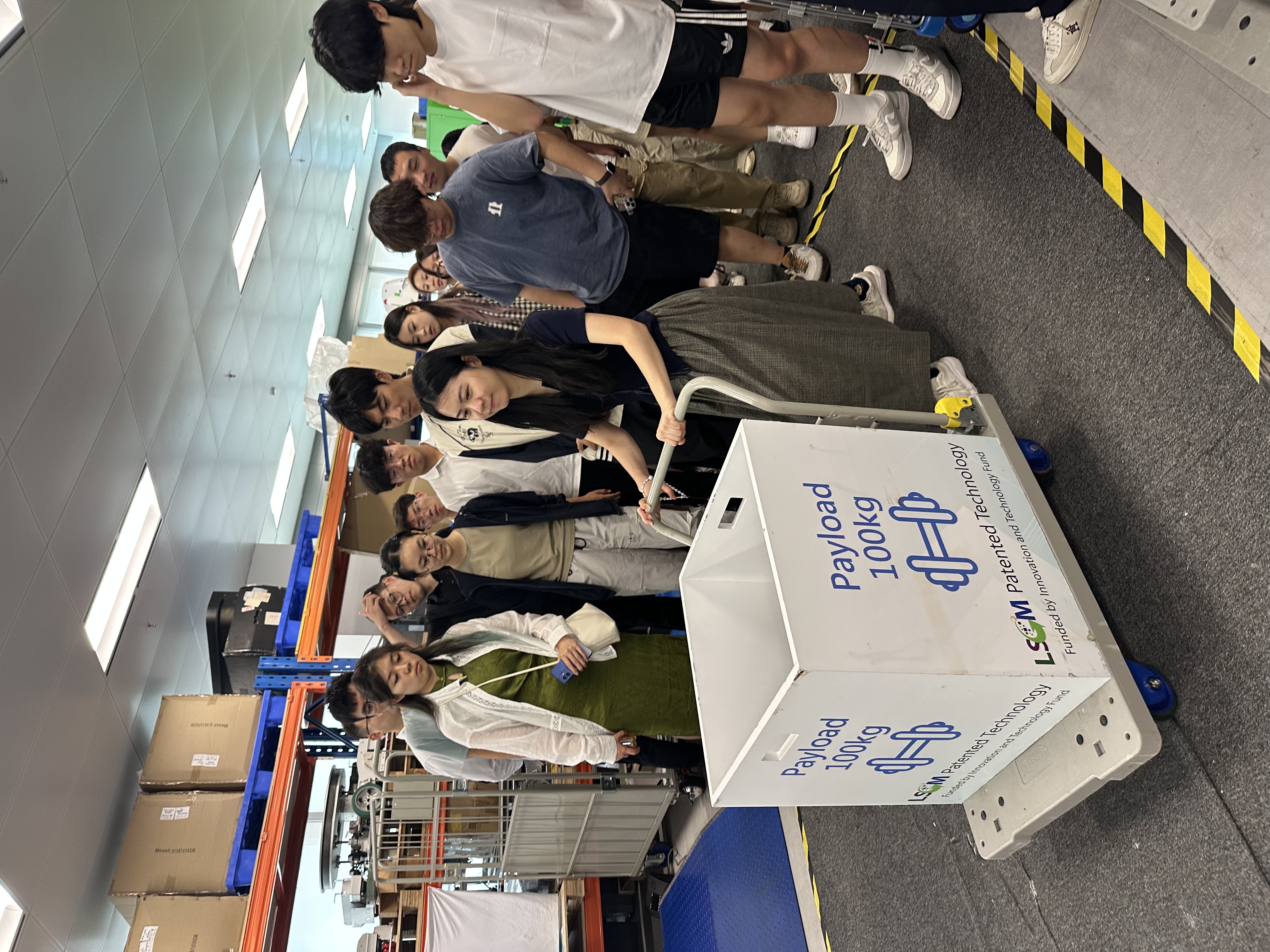
At the Hong Kong Science Park and the Robotics Laboratory of CUHK, a series of practical innovations, such as smart load-reducing carts, surgical robots, and follow-me carts, allowed students to experience a human-centric approach to technology. This also created a meaningful connection with the industrial practices they had observed in Beijing a few days prior. Stepping into the Art Museum of CUHK, students were greeted by a display of precious artifacts, rare paintings, and calligraphy from the Qianlong period. This exhibition took them on a journey through time, offering a glimpse into the craftsmanship and cultural life of that era.
Travel: Cultural Experiences
Beyond the enriching academic exchanges and site visits, the students also explored Beijing and Hong Kong on foot, gaining a wealth of cultural experiences. In Beijing, the majestic Badaling Great Wall evoked the profundity of history, while the traditional grey bricks and tiles of Wudaoying Hutong immersed students in the warm, vibrant everyday life of the ancient capital. In Hong Kong, the skyscrapers of Central and the iconic tram tracks complement each other, while the neon-lit and bustling streets of Causeway Bay capture the city's dynamic energy. Meanwhile, modern and contemporary art masterpieces at the M+ Museum opened new horizons in visual culture for the students. As the event drew to a close, participants gathered at the Pavilion of Harmony at New Asia College. Amid the serene interplay of light and clouds, they watched the sun rise over the sea. At that moment, the vastness and serenity where the mountains met the sea settled into a profound, shared memory.
Reflection: Project Presentations
On July 9, the project presentations were held at Hui Kwok Hau Hall, New Asia College. Students from Xinya College and New Asia College were each divided into two groups to deliver presentations on "Envisioning Future Campus Transportation Systems." Professor Chan Sun-On Hector, Head of New Asia College, and Professor Mei Ciqi, Dean of Xinya College, attended the event.
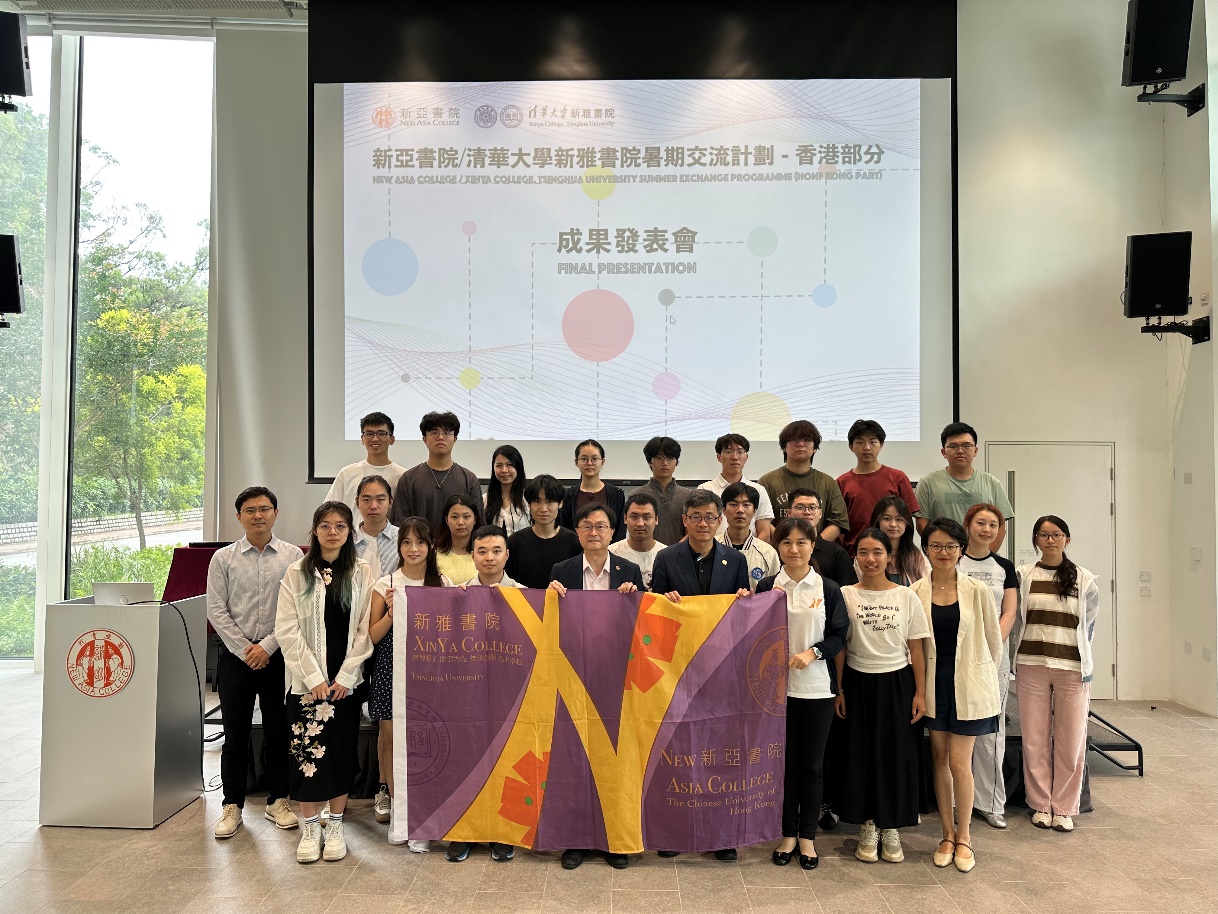
Group photo of faculty and students at the project presentations
Students from Xinya College shared their ideas based on the spatial characteristics of the Tsinghua campus, emphasizing "internal tranquility, external efficiency, and priority for slow-mobility traffic." One group envisioned a three-tier intelligent transportation network comprising low-altitude, ground-level, and underground layers. The low-altitude layer features drone logistics and aerial corridors to divert freight from the ground, thereby resolving right-of-way conflicts between pedestrians and vehicles. The ground-level layer introduces smart guidance lanes and moving walkways to restore a human-centric slow-mobility experience. The underground layer utilizes utility tunnel conveyors and an APM rapid transit system to handle long-distance passenger transport and cargo throughput. Another group proposed a lightweight elevated rail system aimed at reorganizing the flow of people and goods within the Tsinghua campus. The system utilizes the space approximately 4 meters above the main roads to install three lightweight tracks, creating an elevated transit network that frees up ground-level road space. The passenger pods operate in a single-person, semi-standing mode, catering to the frequent cross-campus commutes of students and faculty. The cargo pods share the same tracks and dispatch platform but feature an enclosed cargo compartment.
Students from New Asia College focused their exploration on the characteristics of their hillside campus. One group started by optimizing campus shuttle routes, proposing the addition of pedestrian footbridges, the introduction of double-decker buses, and real-time arrival displays. They also envisioned an extreme weather monitoring and rescue system utilizing low-altitude smart lampposts and heavy-lift drones. By integrating thermal imaging and microwave radar technologies, this system can realize precise detection and rapid response to disasters such as landslides and severe flooding. Another group drew inspiration from the unique natural topography of CUHK, proposing a transportation concept that combines site-specificity with innovation. The proposal closely aligns with the campus's spatial characteristics of being nestled between the mountains and the sea. To address the steep terrain, it introduces an adaptive winding track system and scenic cable cars, using minimal intervention to overcome elevation differences. This seamlessly integrates transit routes with the natural landscape, turning every commute into a journey that connects with nature.
From the relatively flat, slow-traffic-oriented campus of Tsinghua University to the multi-tiered, hillside campus of CUHK, different environments pose distinct challenges and call for diverse solutions, ultimately broadening the students' understanding and vision of future smart mobility.
Farewell
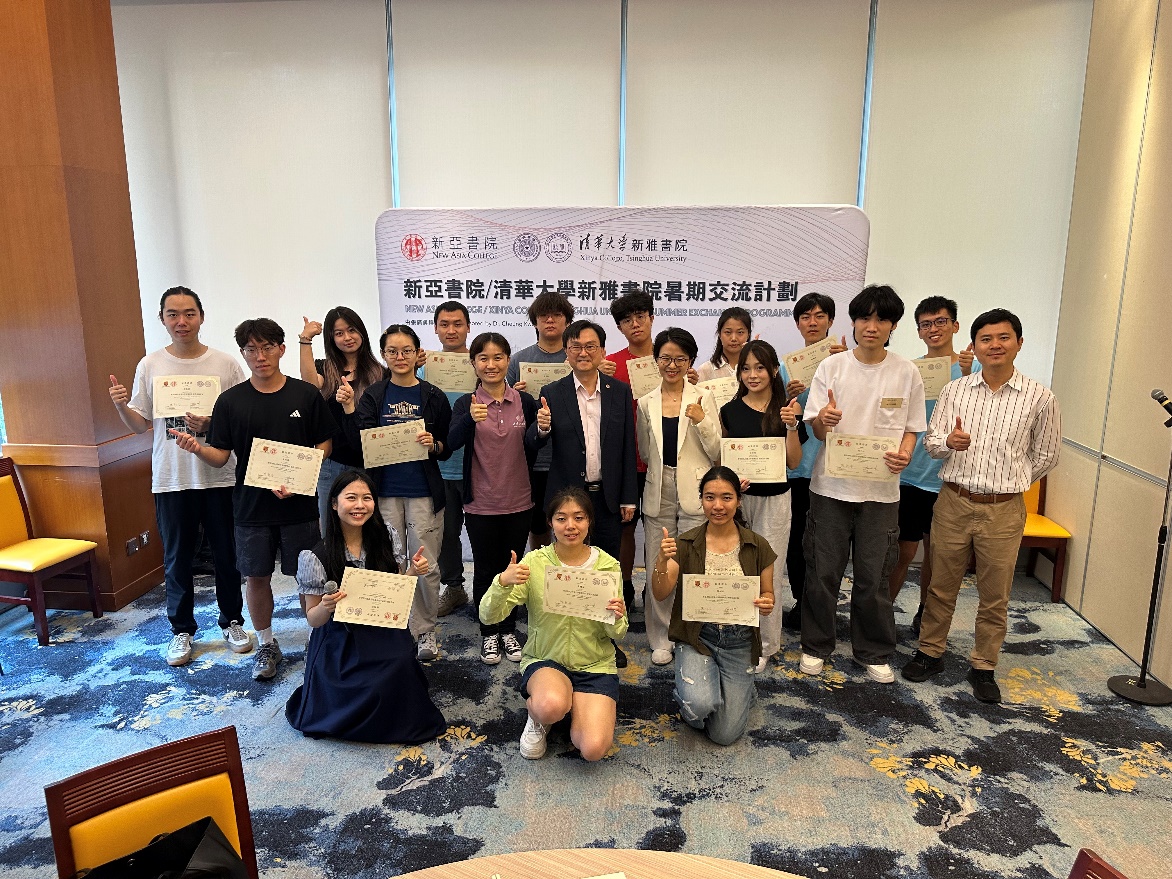
On July 10, the completion ceremony of the Summer Exchange Programme was held at Yun Chi Hsien, New Asia College. In his remarks, Professor Chan commended the students for their active participation and fruitful outcomes and expressed his anticipation for continued collaboration between the two colleges. Dr. Pei Xin, who led the student team from Xinya College, Tsinghua University, encouraged the students to integrate the insights and friendships gained during the event into their future studies and lives. Professor Chan then presented certificates of completion to each of the students from both colleges. This marked the successful conclusion of the 2nd Tsinghua Xinya–CUHK New Asia Summer Exchange Programme.




 Your current location:

