From July 28 to August 9, Lingnan University and Tsinghua University's Xinya College jointly hosted the inaugural LUXY Lab summer exchange program. From the streets, alleys, and islands in Hong Kong to the art galleries and laboratories in Beijing; from the theoretical groundwork laid in online lectures to the creation of prototypes through hands-on practice. This summer, students from Lingnan University and Tsinghua University's Xinya College embarked on a joint exploration of cultural creativity. Under the theme "Traces of Two Cities: The Integration of Cultural Creativity and Digital Technology," they combined software and hardware to bring their creative visions to life.
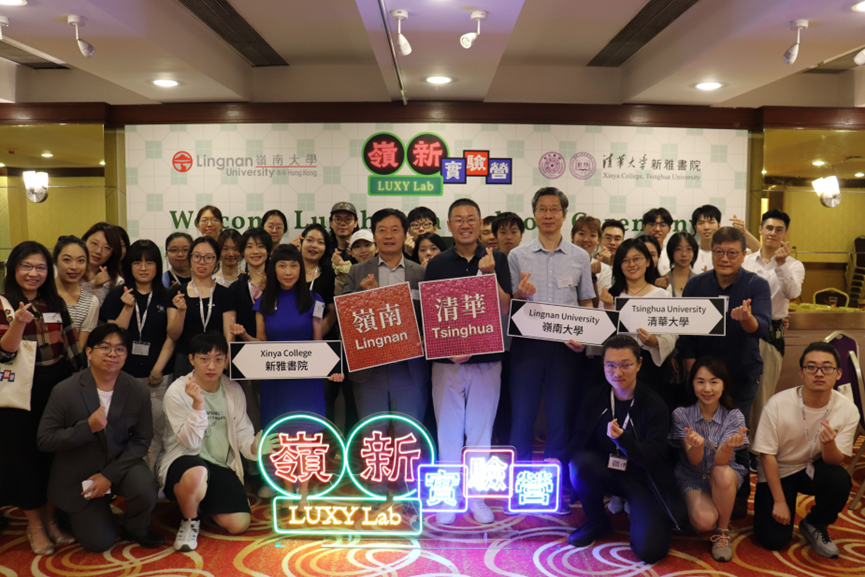
On July 28, the LUXY Lab was officially launched at Lingnan University. Professor Qin Si Zhao Joe, President of Lingnan University, and Professor Yao Xin, Vice-President, attended the opening ceremony. In his address, Professor Qin encouraged students from both universities to treat the dual-city cultures of Hong Kong and Beijing as their classroom. He expressed his hope that they would spark new ideas through inter-university collaboration and transform their humanistic observations into innovative achievements that resonate with the warmth of the digital age.
Learning: Acquiring Methods in the Classroom
In Hong Kong, Ms. Tinny Cheng, chief editor of The Culturist, analyzed the inherent connection between "culture" and "cultural creativity" from a media and communication perspective: how can a news report capture the pulse of a cultural scene? How can a cultural brand strike a balance between commercial success and its ideals? These frontline insights made the students realize that cultural creativity goes beyond mere creativity; it is also about storytelling and dissemination, and about making culture visible to a wider audience. Meanwhile, a presentation by a lion dance culture inheritor on the lion-head paper-crafting technique took everyone on a journey into the craftsmanship and the tradition of knowledge being passed down orally from master to apprentice, allowing them to experience the evolution and contemporary resonance of the lion dance within Hong Kong's local folklore.
In Beijing, Dr. Jiao Yang delivered a comprehensive lecture on design thinking and methods to the students at the Future Laboratory, Tsinghua University. From user insights and concept brainstorming to prototype building and iterative refinement, students from both universities formed cross-campus teams to undergo comprehensive design thinking training. At the Academy of Arts & Design, Tsinghua University, faculty and students immersed themselves in the fusion of diverse art forms and a vibrant design atmosphere. At the iCenter Maker Space, hardware fabrication techniques such as woodworking and 3D printing brought ideas from blueprints to life, making the process tangible and hands-on.
Observation: Broadening Horizons in the City
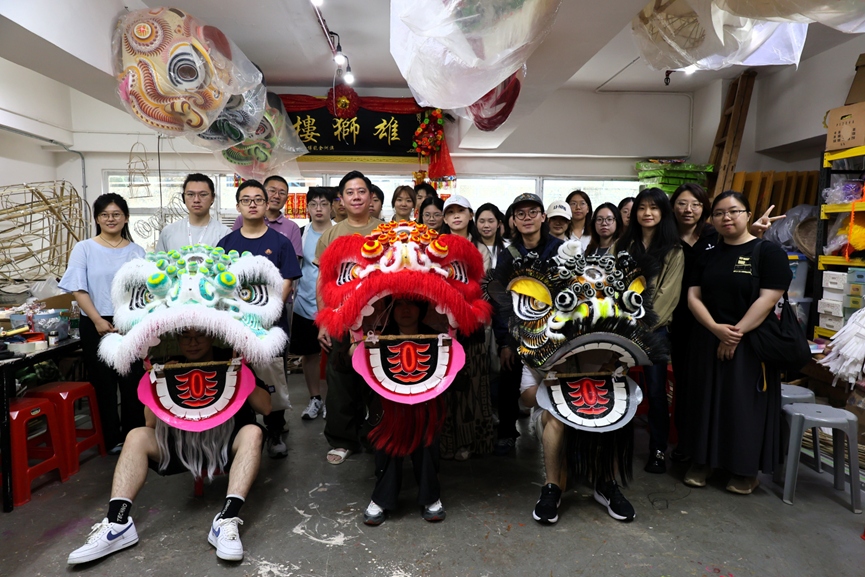
Beyond their studies, the students explored the streets, alleys, and exhibition halls of Hong Kong and Beijing on foot, broadening their horizons through observation.
During the Hong Kong leg of the trip, the old tenement buildings and fabric markets of Sham Shui Po, along with the Hakka salt industry heritage sites and the stories of Chinese and Western cultural fusion on the island of Yim Tin Tsai, all served as living textbooks of cultural diversity. Meanwhile, the stories shared by Hong Kong's ethnic minorities opened a window for the students to better understand a diverse society. These visits allowed the students to experience diversity and harmony in difference, giving them a profound and firsthand understanding of various societal dimensions.
During the Beijing leg, the contemporary art at the Song Art Museum allowed the students to appreciate the diversity and openness of aesthetics, while the nature photography at the Luo Hong Art Museum inspired a sense of awe in the face of majestic landscapes and living creatures. The red walls and yellow tiles of the Palace Museum conveyed the awe-inspiring weight of history, while the old hutongs and the bustling, everyday life of Shichahai added a touch of everyday warmth to this historical gravity. The ancient and the modern, the solemn and the everyday, naturally blended in the streets and alleys of the capital.
Travel: Yielding Results through Practice
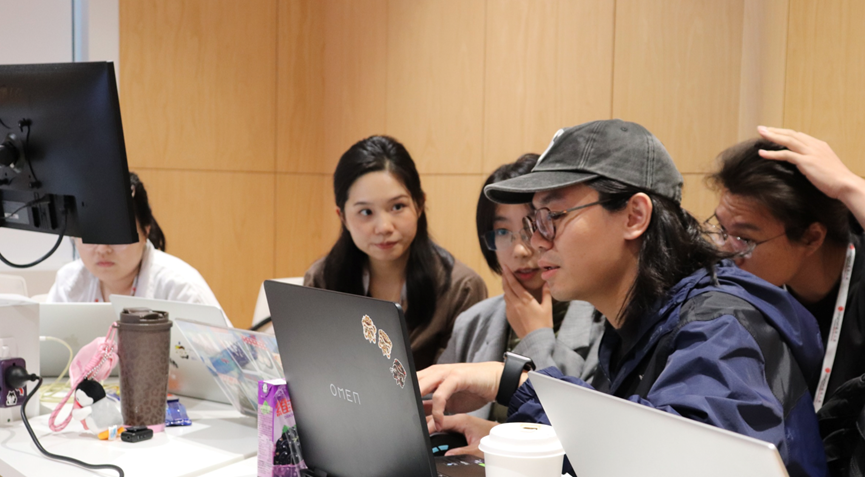
With theories and observations in place, the design phase for each group officially commenced.
Needs Insights Students from the two universities were divided into four groups, each consisting of three Lingnan students and three Tsinghua students, working together on cultural and creative design and prototype development under the theme "Traces of Two Cities." Students from both locations brought varying perspectives: firsthand experiences of their local cultures, and different understandings of design methodologies and technical tools. Through lively discussions, each group gradually identified its design direction.
Design Upgrade Once the requirements were clarified, the design process entered a phase of repeated iteration. From August 3 to 5, each group continuously refined its design ideas through design classes and group mentoring at the Future Laboratory, as well as visits and hands-on practice at the Academy of Arts & Design and the iCenter. Concepts took shape on paper and were brought to life through woodworking and 3D printing, and design thinking at the software level and manufacturing techniques at the hardware level constantly interacted and informed one another.
All-Day Sprint and Project Showcase From August 6 to 7, each group entered the all-day sprint phase of design practice, discussing proposals at their desks and refining prototypes at the machines. Requirements, design, and production all culminated in the project showcase on the afternoon of August 7. In Lecture Hall B226 in the South Wing basement, the four groups took the stage one after another, distilling their reflections of the past few days into tangible design outcomes.
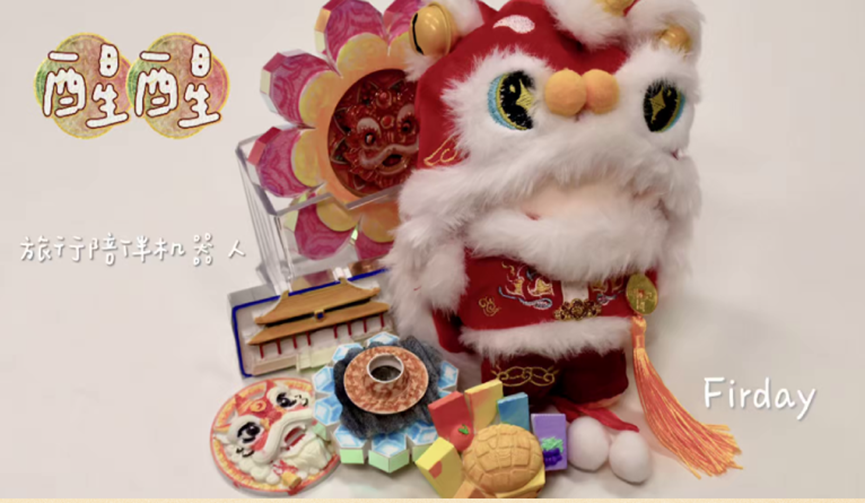
Group 1 - Lion Dance-Inspired Plush Toy for Solo Traveler s Inspired by Hong Kong's lion dance culture, this plush toy incorporates traditional drum rhythms and interactive gameplay into its design, bringing lion dance culture into everyday life in a tangible and accessible way.
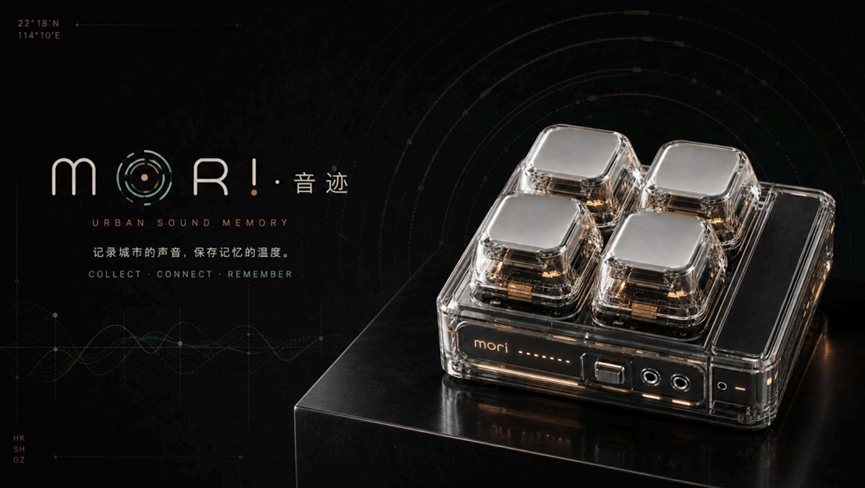
Group 2 - Urban Sound Memory Keyboard Recorder Using keystrokes to record sound, the product combines software sampling with hardware triggering, endowing the keyboard with a brand-new mode of expression.
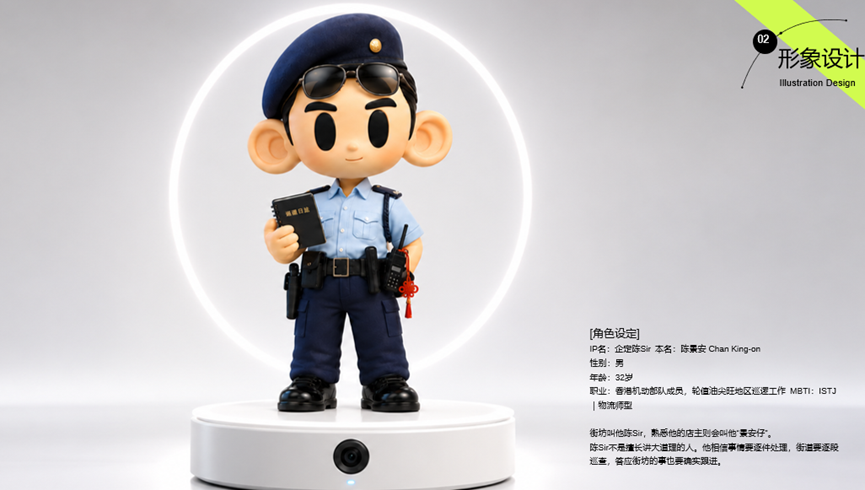
Group 3 - Momoon Mystery Box Presented as a mystery box, this design encapsulates snippets of different characters' lives during travels or daily routines, along with character cards, allowing users to experience other people's life stories through unboxing and exploration.
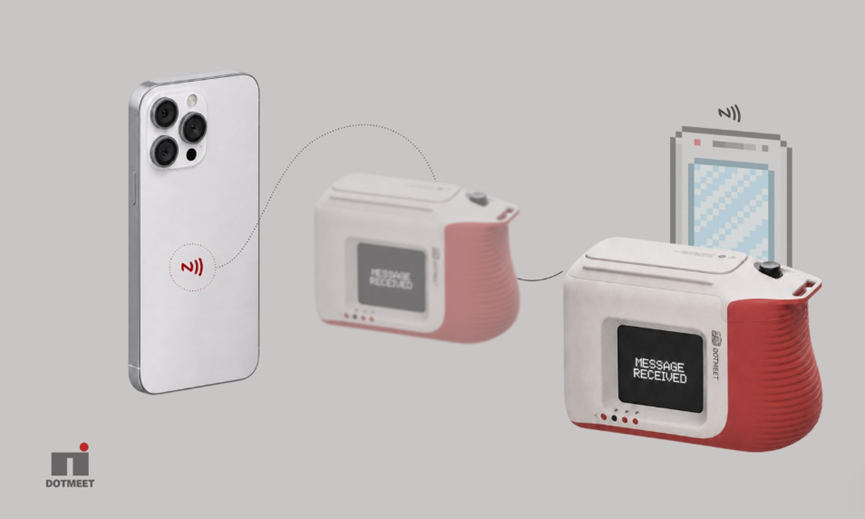
Group 4 - Pixel Camera Reverting modern imaging technology to retro pixel colors, this camera reconstructs images using software algorithms. In an era increasingly focused on details, it offers users a rustic keepsake.
Five administrative and faculty members from Lingnan University served as judges, namely Ms. Ng Wai-ming, Director of the Office of Student Affairs; LAM Tak-ming, Associate Professor at the Faculty of Business; Ma Lijun, Assistant Professor at the Dr Raymond Wong Research Centre for Arts Technology and Business; Professor Dong Chengzu, Assistant Professor of Teaching, Division of Artificial Intelligence; and Liu Zixuan, Student Affairs Manager, Lingnan University. The judges also included Professor Mei Ciqi, Dean of Xinya College, Tsinghua University; Professor Jiang Hongbin of the Academy of Arts & Design; Dr. Jiao Yang, Assistant to the Dean of Xinya College; and Lu Qi, Assistant Researcher at the Future Laboratory, Tsinghua University. Together, the nine faculty members engaged in in-depth interactions and provided feedback to the students after each group's presentation. Ultimately, Group 1's Lion Dance-Inspired Plush Toy for Solo Travelers won the Best Prototype Design Award, while Group 3's Momoon Mystery Box won the Best Design Concept Award. Groups 2 and 4 received the LUXY Collaboration Award.
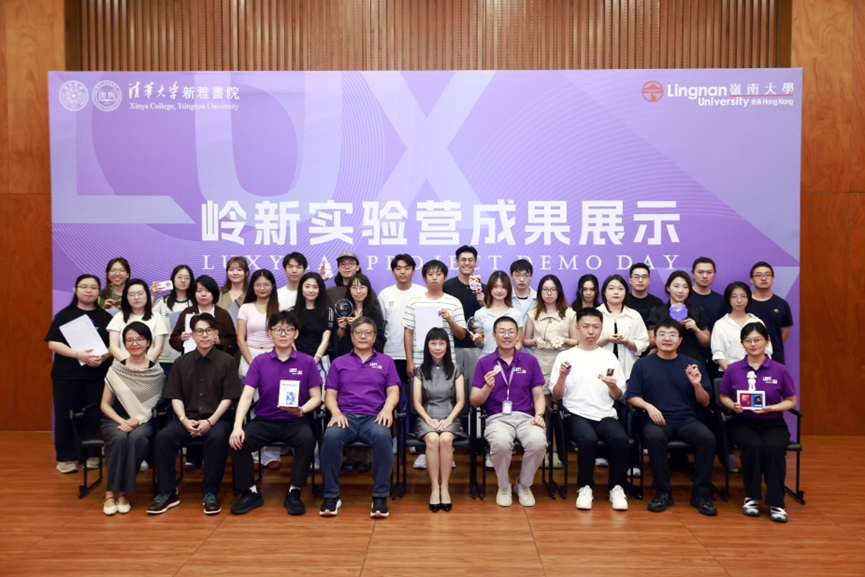
In his closing remarks, Professor Mei expressed gratitude to the teachers and students of both universities for their dedication and participation. He noted that the students' experience of "starting from scratch to accomplish something" in the project would inspire them to boldly embark on new endeavors in the future, while the collaborative process also allowed everyone to deeply appreciate the value of communication.




 Your current location:

